Retina Treatment

Advanced Care for Your Vision's Foundation

Go To Home Page

Understanding Retina Conditions

The retina is a thin layer of tissue that lines the back of the eye on the inside. It is located near the optic nerve. The purpose of the retina is to receive light that the lens has focused, convert the light into neural signals, and send these signals on to the brain for visual recognition.

Retinal diseases vary widely, but most of them cause visual symptoms. Retinal diseases can affect any part of your retina, a thin layer of tissue on the inside back wall of your eye that contains millions of light-sensitive cells (rods and cones) and other nerve cells that receive and organize visual information.
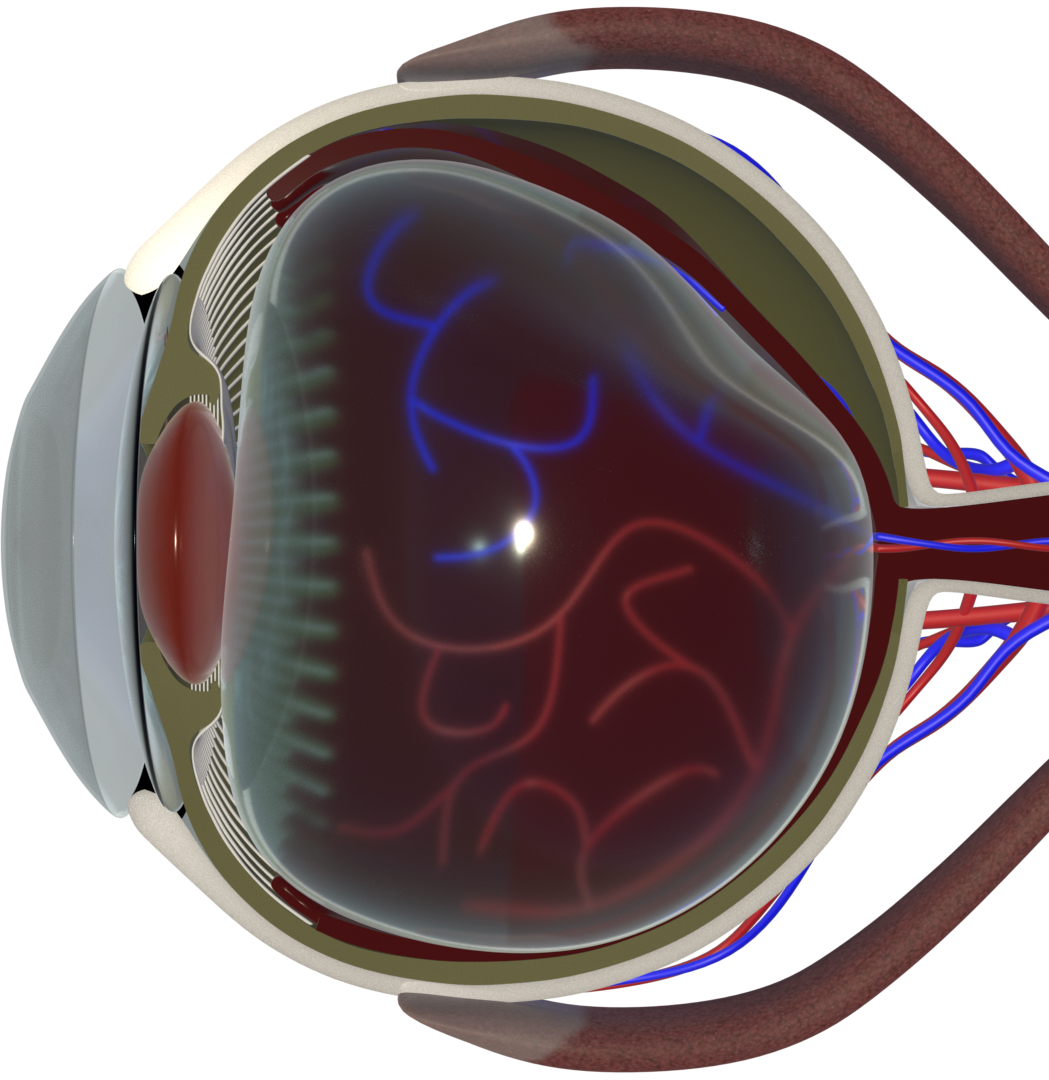
Retina explanation

Common Retina Conditions

Macular Degeneration

A condition that causes central vision loss due to damage to the macula, the part of the retina responsible for sharp, central vision.

Diabetic Retinopathy

A diabetes complication that affects eyes, caused by damage to the blood vessels of the light-sensitive tissue at the back of the eye.

Retinal Detachment

A medical emergency where the retina pulls away from its normal position, causing vision loss if not treated promptly.

Macular Hole

A small break in the macula that causes blurred and distorted central vision, often requiring surgical intervention.

Retinal Vein Occlusion

A blockage of the small veins that carry blood away from the retina, leading to vision problems.

Epiretinal Membrane

A delicate tissue-like scar that forms on the surface of the retina, causing visual distortion and blurriness.

Advanced Retina Treatments

Laser Treatments:

Photocoagulation

Laser treatment that creates burns on the retina to seal leaking blood vessels or destroy abnormal ones, commonly used for diabetic retinopathy.

Photodynamic Therapy

A two-step treatment that uses a light-sensitive drug and a cold laser to destroy abnormal blood vessels in the retina.

Retina treatment

Injections & Surgical Options:

Anti-VEGF Injections

Medications injected into the eye to block vascular endothelial growth factor

Vitrectomy

Surgical procedure to remove the vitreous gel from the middle of the eye

Scleral Buckle

A procedure to repair retinal detachment by indenting the wall of the eye

Pneumatic Retinopexy

A procedure to repair retinal detachment using a gas bubble

Advanced Retina Technology

OCT Scan
OCT Scanning

Optical Coherence Tomography provides high-resolution, cross-sectional images of the retina, allowing for precise diagnosis and monitoring of retinal conditions.

Retina Imaging
Widefield Retinal Imaging

Advanced imaging technology that captures a panoramic view of the retina, up to 200 degrees, allowing for better diagnosis and management of peripheral retinal diseases.

Frequently Asked Questions

Common symptoms include floaters (spots or cobwebs in vision), flashes of light, blurred or distorted vision, dark areas in vision, and sudden vision loss. If you experience any of these symptoms, it's important to see a retina specialist immediately.

For people with no risk factors, a comprehensive eye exam every 1-2 years is recommended. However, if you have diabetes, a family history of retinal disease, or other risk factors, your eye doctor may recommend more frequent examinations.

Most retinal treatments are performed with local anesthesia, so you shouldn't feel pain during the procedure. Some discomfort or mild pressure may be experienced. After the procedure, you might experience some soreness or irritation, which can usually be managed with over-the-counter pain relievers.

While not all retinal diseases can be prevented, you can reduce your risk by maintaining healthy blood pressure and cholesterol levels, controlling blood sugar if you have diabetes, not smoking, eating a nutrient-rich diet, wearing protective eyewear, and having regular comprehensive eye exams.

Recovery time varies depending on the specific procedure. For less invasive treatments like injections, you may resume normal activities within a day. For more complex surgeries like vitrectomy, it may take several weeks to months for vision to stabilize completely. Your doctor will provide specific instructions based on your procedure.

Concerned About Your Retina Health?

Schedule a consultation with our retina specialists for a comprehensive evaluation.