LASIK

Laser-Assisted In Situ Keratomileusis

Go To Home ICL Surgery

What is Lasik?

LASIK (Laser-Assisted In Situ Keratomileusis) is a popular and safe eye surgery used to correct common vision problems like nearsightedness (myopia), farsightedness (hyperopia), and astigmatism. During the procedure, a surgeon creates a very thin flap on the surface of the cornea and uses a specialized laser to reshape the cornea, allowing light to focus properly on the retina. This improves vision and reduces or even eliminates the need for glasses or contact lenses. LASIK is painless, quick, and highly effective, with most patients experiencing significantly clearer vision within 24 hours. It is one of the most trusted vision correction procedures worldwide, offering long-lasting results and a faster return to daily activities.

LASIK offers long-lasting results, making it ideal for people who want the freedom of clear vision without dependency on corrective lenses. With its high success rate and fast recovery time, LASIK continues to be one of the most preferred and life-changing solutions for vision correction today.
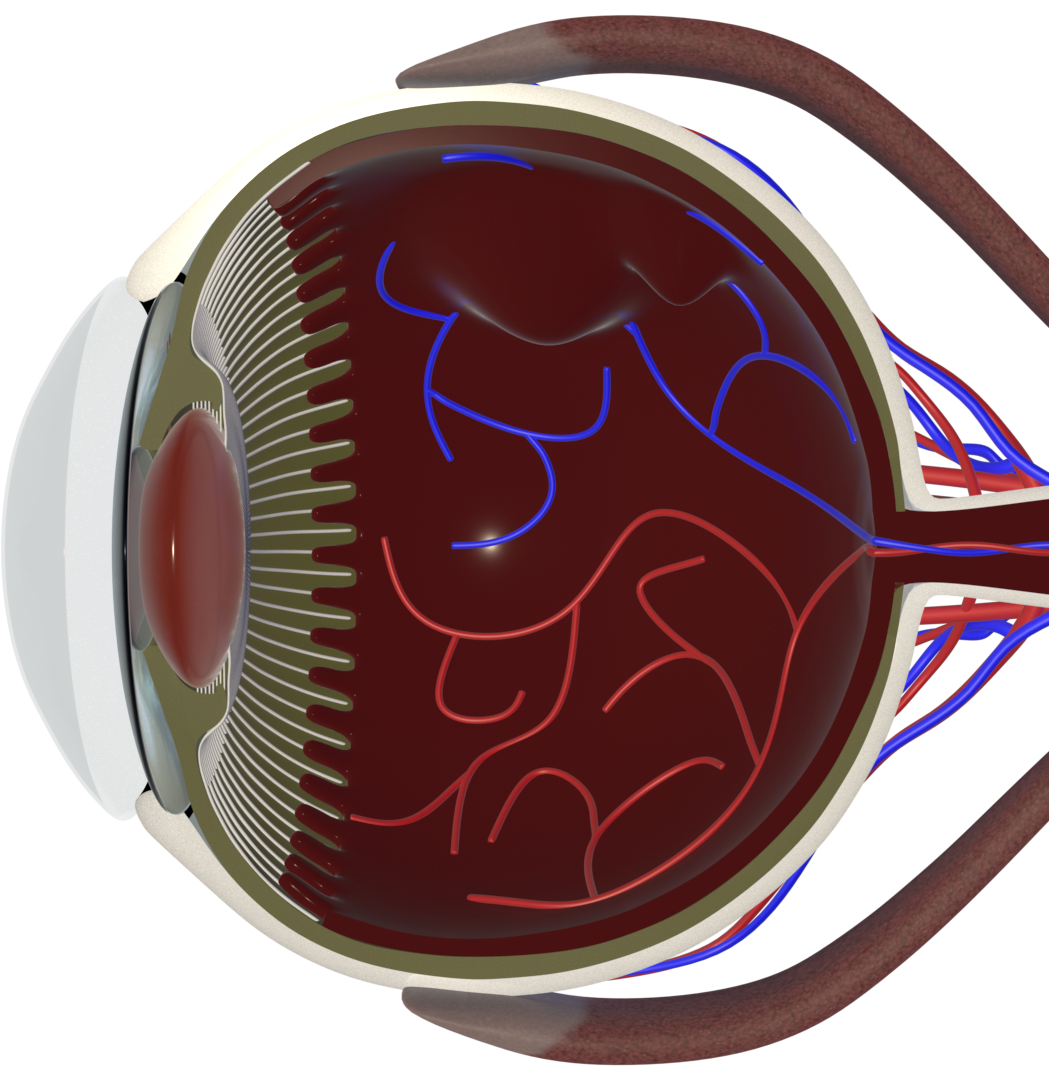
ICL explanation

Benefits of LASIK

Clear Vision Fast

Noticeable improvement within 24 hours.

Painless & Quick

Procedure takes just 15-20 minutes.

No Stitches Needed

Natural healing of the cornea.

Freedom from Glasses

Reduce or eliminate dependency on specs or lenses.

Long-Lasting Results

Permanent vision correction in most cases.

Safe & Proven

High success rate with advanced laser technology.

The LASIK Procedure

What to Expect:

1
Eye Preparation

Numbing eye drops are applied for a painless experience.

2
Creating the Flap

A thin flap is made on the cornea using a laser.

3
Reshaping the Cornea

Laser gently reshapes the cornea to correct vision.

4
Flap Repositioning & Recovery

The flap is placed back, and healing starts naturally

ICL procedure
Procedure Details
  • Initial Evaluation – Comprehensive eye exam to check corneal thickness, vision stability, and suitability for LASIK.
  • Eye Mapping – A 3D map of your cornea is created for precise laser treatment planning.
  • Laser Correction – Corneal flap is lifted, and the laser reshapes the cornea to correct refractive errors.
  • Post-Procedure Care – The flap is placed back, followed by eye drops and a recovery plan for fast healing.

Frequently Asked Questions

While both procedures correct vision, they work in different ways. LASIK reshapes the cornea using a laser, while ICL involves placing a lens inside the eye without altering the cornea's structure. ICL is reversible and often recommended for patients with higher prescriptions, thinner corneas, or dry eyes. ICL also typically provides better quality vision, especially in low-light conditions, and doesn't cause dry eye symptoms like LASIK sometimes can.

No, LASIK is painless. Numbing eye drops are used, so you may only feel mild pressure during the procedure.

The surgery is very quick, usually 15–20 minutes for both eyes.

Most patients notice clearer vision within 24 hours, with improvement continuing over a few days.

In most cases, LASIK eliminates or greatly reduces the need for glasses or contact lenses, but some people may need them for specific tasks like night driving or reading.

Ready for Life-Changing Vision?

Find out if ICL is the right vision correction solution for you.